
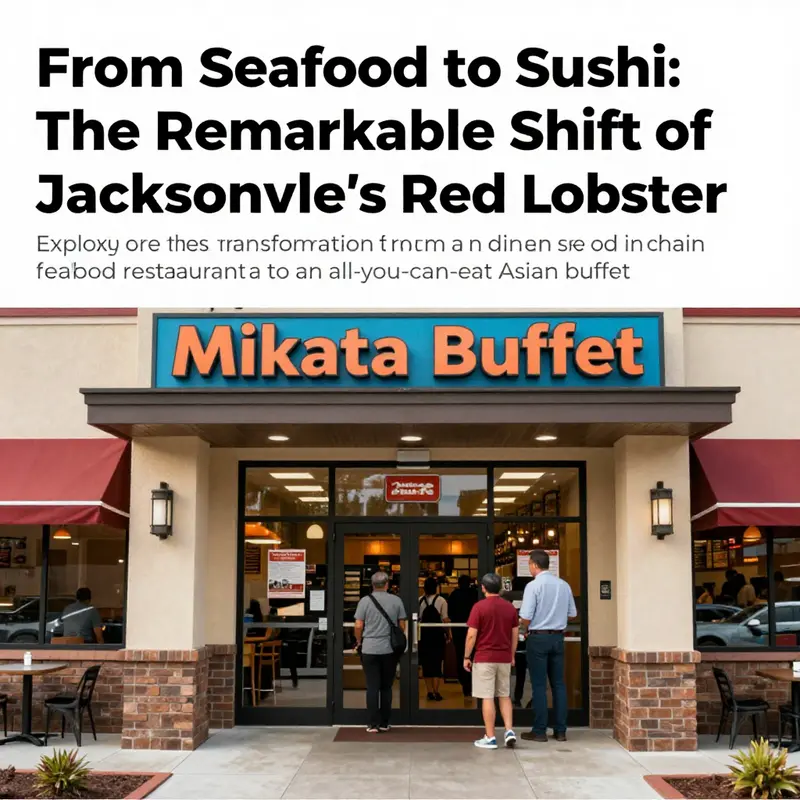
The transformation of the former Red Lobster location at 8720 Baymeadows Road into Mikata Buffet illustrates a significant shift in the dining landscape of Jacksonville, Florida. The transition from a seafood-centric chain to a diverse Asian buffet captures the evolving tastes of consumers and the adaptability of restaurant concepts. This article delves into the details of this transformation, examining the new offerings at Mikata Buffet and how they fit into the local dining scene. It further explores how the community has received this change, highlighting the economic and cultural implications for local business owners.
Baymeadows Reimagined: Mikata Buffet Brings Asian-All-You-Can-Eat to Jacksonville
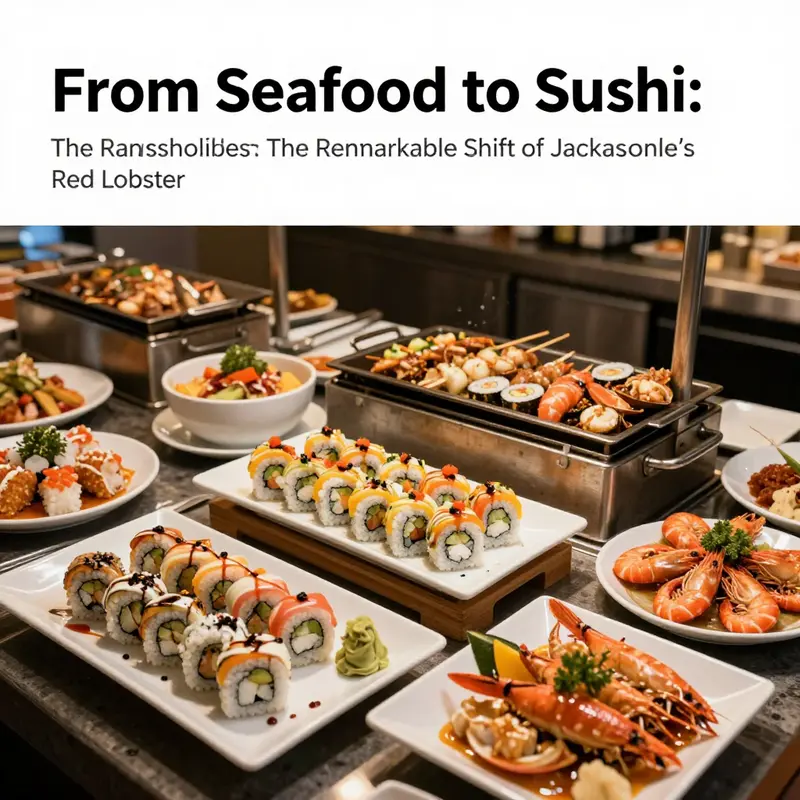
If you drive past 8720 Baymeadows Road in Jacksonville today, you encounter more than a changed storefront. The former Red Lobster site has been reimagined as Mikata Buffet, a Japanese-inspired Asian all-you-can-eat concept that signals a broader shift in the local dining scene. The transition is about more than a different menu; it is a recalibration of how a community experiences eating out, moving from a seafood-centric identity to a multi-station buffet that blends hibachi, sushi, and a spectrum of seafood into one expansive dining experience.
The redesign prioritizes openness and flow, with generous space, polished surfaces, and a layout that guides guests from an appetizing seafood-forward display to live-action stations where cooks perform techniques with practiced ease. The open kitchen concept isn’t just for show; it invites patrons to watch their meals take shape, transforming a meal into a brief performance and a transparency that many diners now expect from contemporary dining.
At Mikata Buffet, the menu mirrors the spatial philosophy: variety, accessibility, and a balance between seafood specialties and hot dishes. Hibachi grills sit beside sushi counters, creating a cross-cultural tapestry that encourages comparison of textures and techniques within a single visit. Sushi rice glistens under lights; slices of salmon, tuna, and other ocean offerings meet the creative presentation of nigiri and maki, while teppanyaki stations offer pacing and personalization. The live stations add an interactive layer, reinforcing the idea that dining is a shared, dynamic experience.
This approach also speaks to broader trends in all-you-can-eat concepts: abundance with curated variety, where guests can circle back to favorites or sample new preparations without feeling overwhelmed. The design and menu together promote a social dining arc that keeps energy high while allowing individuals to tailor portions to their appetite. In short, Mikata Buffet embodies a modern reimagining of a familiar footprint, expanding the neighborhood’s culinary map without abandoning the comfort and recognizability of its Baymeadows location.
External reference points and reader impressions offer perspective on how the concept fits into Jacksonville’s evolving dining landscape. For insight into similar transformations and how interactive dining formats shape guest expectations, see regional buffet trends and open-kitchen concepts across the city.
From Seafood Chain to All-You-Can-Eat: Jacksonville’s Local Reactions to a Concept Shift
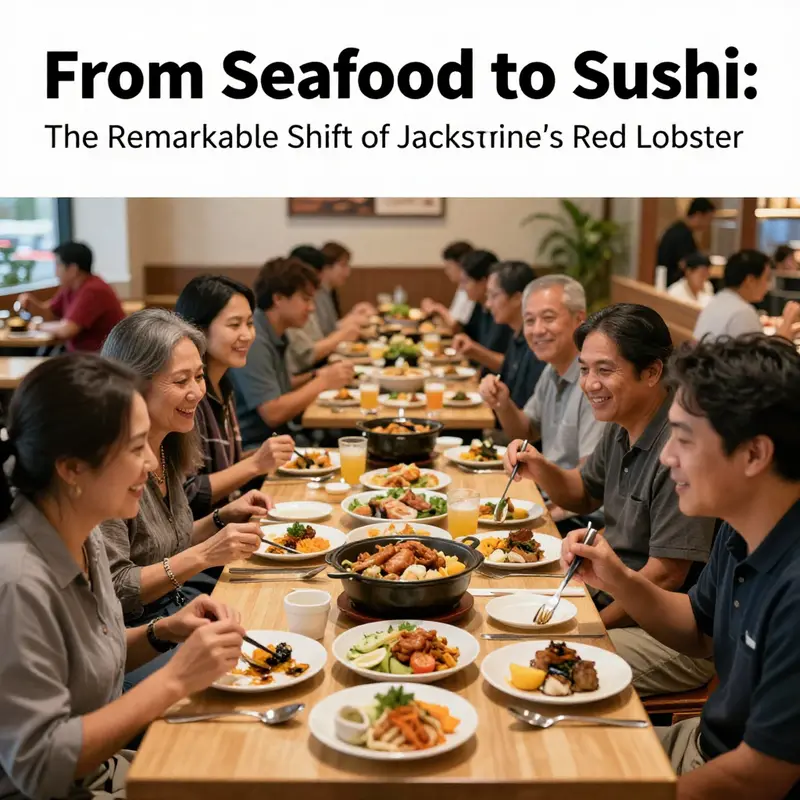
The transformation of a long-standing seafood-focused storefront on Baymeadows Road into an all-you-can-eat Asian buffet has become more than a change of signage. It stands as a lens on a city that negotiates taste, value, and memory in real time. The old building, once a predictable stop for families seeking familiar seafood plates and reliable service, now houses a space where hibachi flames flicker and a conveyor of sushi, stir-fries, and other East Asian-inspired dishes circulates through a steady stream of diners. The shift is both practical and symbolic: a relocation of a familiar dining habit into a newer, more diversified version of fast-casual abundance. In Jacksonville, where dining options have proliferated and competition has sharpened, this move reflects a broader pattern seen in markets across the country. Traditional seafood brands have faced mounting pressures—from rising costs of seafood supplies to the challenge of keeping a broad, price-competitive menu compelling for today’s younger diners. The Baymeadows site’s owners appear to be responding with a clear, value-driven pitch: more variety, a social dining experience, and a familiar price point that invites repeat visits rather than a one-off impulse. The question for locals has shifted from whether the space can reliably serve crustacean-focused fare to whether it can deliver a new kind of inclusive, economical dining experience that feels both fresh and familiar at the same time. In that sense, the local reception has mirrored larger conversations about how legacy concepts survive in an era of rapid consumer change. The chatter on social media—the quick photo posts of the new interior, the first bites of unfamiliar dishes, and the nostalgic captions about past visits—reads like a two-voice dialogue. For those who once relied on the old menu for dependable family meals, the change feels abrupt, almost disorienting. Yet others celebrate the opportunity to explore a wider culinary map without sacrificing the comfort of a familiar location. The debate is less about taste and more about belonging: does a place that once defined a neighborhood by its seafood lineup still count as a neighborhood anchor when its identity drifts toward a different cultural menu? The conversation is not merely sentimental. It touches on price, convenience, and the social rhythms of dining out. An all-you-can-eat format promises generous portions and the ability to sample across a spectrum of dishes, which many families find appealing in a city where after-work meals and weekend gatherings demand flexibility. In Jacksonville, where a busy schedule often dictates quick, affordable options, that flexibility has a strong pull. It is easy to see why a new concept could resonate with a younger demographic seeking value, novelty, and a broad family-friendly environment under one roof. Yet there is also a practical counterpoint. A staple of the old concept was predictable quality and a consistent family-friendly ambiance—elements that carried trust through years of regular visits. Some locals fear that the relocation toward a broader East Asian menu could dilute that trust if the execution falters at the operational level. The fear is not that the cuisine will fail, but that the experience—the predictable timing of service, the steady pacing of courses, the sense of a comforting, shared meal—might be altered beyond recognition. On the ground, the realities of running a buffet-focused operation become part of the story. The economic context that often drives these transitions is tangible: sales have declined at the original site, and operating costs have risen, squeezing margins and forcing owners to rethink the model. Renovations are not cosmetic; they are a signal of intent. The new operators—who have chosen not to publicly disclose their identities—appear to be investing in better lighting, modern decor, and a refreshed kitchen layout designed for higher turnover and a broader guest profile. The aim is not just to attract more diners but to invite a different kind of diner: younger people, casual groups, and families who value variety and affordability over a single, familiar specialty. In this light, the concept shift becomes a strategic adaptation rather than a simple facelift. Alongside décor and menu changes, the dining program itself embodies a cultural shift. An Asian buffet, with hibachi grills and sushi stations, frames dining as an event rather than a straightforward meal. The theater of the hibachi, the visual appeal of fresh sushi, and the comfort of a bowl of stir-fry that can be customized to a guest’s preference all contribute to a social dining experience that feels both interactive and approachable. That engagement can be a strong attractor in a city that prizes communal meals and shared plates. At the same time, operations must support this complexity. Buffet-style concepts demand rigorous food safety practices, precise kitchen logistics, and steady supply chains to keep a rotating cast of dishes appealing. Sanitation, freshness, and wait times become the invisible metric that determines whether the experience feels generous or chaotic. The local reaction—a mix of curiosity, nostalgia, and cautious optimism—reflects consumers’ nuanced expectations. People want novelty, but they want it with the reliability they associate with familiar neighborhood spots. They want value, but not at the expense of quality. They want a sense of discovery without losing the sense of belonging that comes from a place they know they can return to with ease. This dynamic is not unique to Jacksonville; it echoes a national pattern where legacy brands evolve to stay relevant in a more diverse and price-conscious dining landscape. The city’s bayside memories and inland family rituals converge in the Baymeadows corridor as residents decide whether this is a replacement or a reinvention of a neighborhood dining ritual. In this sense, the transition becomes a case study in local adaptation. It prompts questions about how communities negotiate memory and change, how restaurateurs balance opportunity with obligation to a place and its people, and how a dining space can retain a thread of continuity even as its menu shifts dramatically. For readers who want to gauge how Jacksonville’s dining scene is evolving, this case offers a snapshot of a broader trend: the move away from single-note menus toward multi-genre, value-driven experiences that can attract a wider cross-section of diners without sacrificing the sense of place that makes a restaurant a neighborhood landmark. The dialogue around this transformation—between nostalgia and novelty, between cost control and culinary exploration—continues to unfold on social media, in after-work conversations, and in the rhythm of the dining room as it fills and empties throughout the week. It is a reminder that restaurants are living districts of a city as much as they are places to eat. In Jacksonville, the reception to this concept shift is a sign of a dynamic culinary culture that values both history and experimentation. One could imagine future chapters exploring more deeply how the space performs after the initial renovation phase, how staff training and service styles evolve to align with the new format, and how similar transitions fare in other parts of the country. For readers who want to explore related dining concepts in the region, the local landscape already offers a variety of all-you-can-eat and buffet-style options, including Chinese buffet venues that reflect a similar demand for variety and affordability. For a sense of how Jacksonville diners respond to all-you-can-eat Asian concepts, see this local option Chinese buffet in Jacksonville, Florida. As the community cycles through opinions, a future measure of success will be whether the space can sustain a stable flow of guests, maintain a steady level of quality across a broad menu, and preserve a sense of place that respects both memory and change. Readers seeking deeper context can consult industry reporting on the broader trend of legacy brands reimagining themselves in markets where price sensitivity and diversification of cuisine are shaping consumer choices. For more detailed insights into the specific Jacksonville transition, see The Jacksonville Times-Union article on the transition: https://www.jacksonville.com/local-news/red-lobster-jacksonville-transition-to-asian-buffet-2026.
Final thoughts
The opening of Mikata Buffet at the former Red Lobster location exemplifies not just a restaurant change but reflects broader trends in consumer preferences and dining experiences. This shift reinforces the notion that adaptability is key for restaurant owners looking to thrive amidst changing markets. By catering to the diverse culinary desires of the Jacksonville community, Mikata Buffet has not only revitalized a space but has also reinvigorated local dining culture and provided a model for future business transformations.