
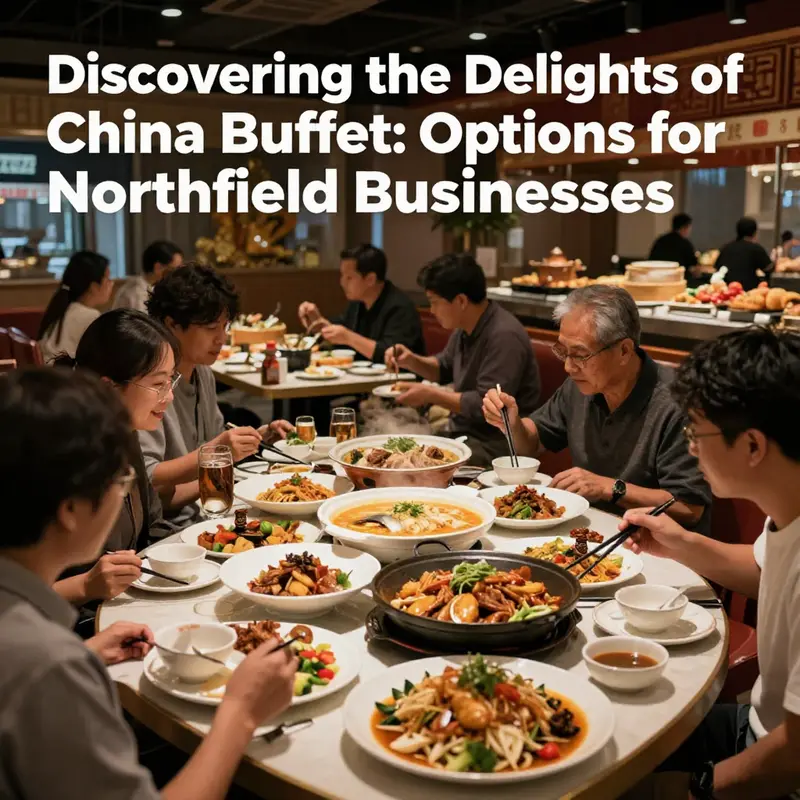
Understanding the dining landscape for business owners in Northfield is essential, particularly when it comes to popular options like China Buffets. While there may not be a specific ‘China Buffet Northfield,’ the choices and alternatives available in nearby areas contribute significantly to the local culinary scene. This article dives into various aspects: Chapter 1 unpacks the range of buffet options available, Chapter 2 offers a case study of China Buffet Westfield for insight, and Chapter 3 explores dining experiences and alternatives that Northfield business owners can leverage to enhance their offerings.
null
null
Westfield’s Chinese Buffet as Northfield’s Nearby Mirror: Reading Suburban Dining Trends for Indiana Residents
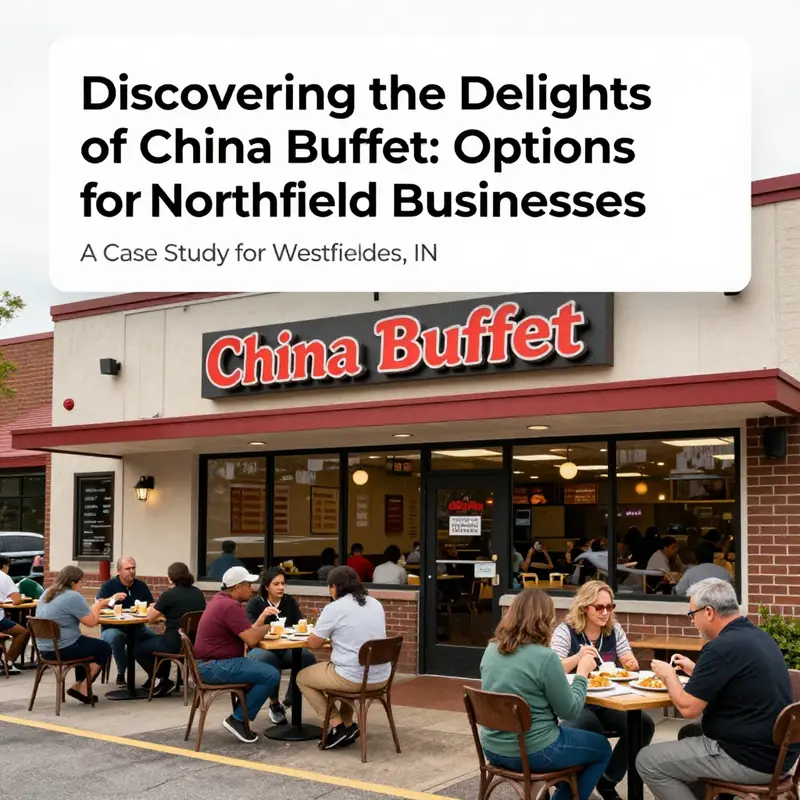
For a Northfield resident seeking an affordable, varied Chinese meal, a nearby Westfield buffet becomes more than just a place to eat. It becomes a small case study in how suburbs build dining options that blend convenience, value, and familiarity. The distance, roughly 15 miles, places it within easy reach for a weeknight family dinner or a weekend casual gathering. This setup illustrates a larger pattern: regional chains extending into suburban markets that may not host large urban centers but still demand reliable, everyday meals. The menu is not a single dish but a spectrum—plates that cover familiar favorites alongside items that invite curious diners to try something new. In this model, the buffet becomes a gentle introduction to a cuisine that is at once comforting and slightly adventurous.
The operational rhythm of the Westfield location helps explain why it appeals to Northfield households. It opens at eleven in the morning and stays open late, serving a broad window that accommodates after-work trips, weekend escapes from routine, or a spontaneous dinner plan. The price is fixed, which means a family can decide collectively what to try without tallying up every item. The self-serve format encourages a quick turnover, so tables stay available for others. For parents juggling kids and errands, the ability to sample small portions from many dishes—rice, noodles, vegetables, and proteins—feels both economical and efficient. The establishment’s commitment to accessibility—clear ramps, wide doorways, and a layout that guides foot traffic—signals a deliberate design to welcome shoppers, seniors, and first-time diners who might be tentative about trying a new place. The combination of hours, affordability, and ease makes it a practical anchor in a region where residents balance work, schooling, and the rhythms of family life.
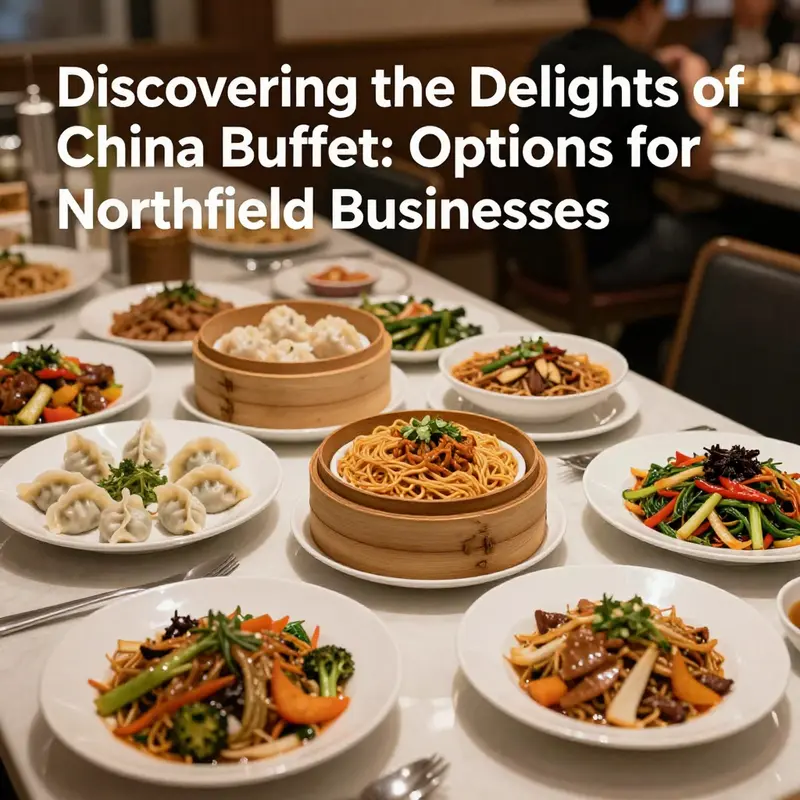
From a culinary perspective, such a buffet places a premium on consistency. There is comfort in predictable favorites—crispy fried items, glossy sauces, and flavors that evoke a sense of home cooking, even when the origin is far from that kitchen. Yet there is a respectful openness to variety: a spread that includes noodles and vegetables, lighter options, and options with more bite for those who crave stronger flavors. The model rewards a degree of discipline in kitchen operations. To maintain quality across a large, rotating assortment requires standardized prep, timely replenishment, and a steady supply chain that can minimize waste while ensuring freshness. In suburban markets, this balance matters as much as the menu itself. Patrons do not expect haute cuisine; they expect something reliable, approachable, and comforting after a long day. The Westfield venue delivers on that contract through a carefully choreographed routine that blends cooklines with buffet lines, allowing a guest to compose a plate that feels both satisfying and efficient.
This is where the Northfield resident encounters a broader cultural economy. The buffet model embodies a transregional dining experience: dishes associated with Chinese culinary textures travel from urban centers into quieter neighborhoods, where families maintain shared meals as a daily practice. The value proposition—more food for less money, a place to gather, a setting that feels safe and familiar—aligns with evolving consumer preferences that look for predictable outcomes in a changing world. Suburban dining, after all, often seeks reliability more than novelty. Yet novelty still exists at the edge of the plate, as diners might choose to push beyond comfort zones in small, affordable portions. A family could start with the classic rice and a handful of familiar items, then sample something new, judging tastes by the glow of the buffet lamps rather than a single plated dish. Such experiences can expand the palate without asking a guest to risk too much money or time, a flexible approach that resonates with households managing busy calendars.
In mapping these dynamics for Northfield readers, it helps to consider how similar setups function elsewhere in the region. A comparable model has taken root in neighboring suburbs, and notes from those contexts show how a steady stream of customers, a sense of community around shared meals, and a forgiving, efficient service style can sustain a chain’s presence for years. For readers curious about how these patterns compare with other Indiana towns, China Buffet Schererville, IN offers a nearby point of reference. It is not the same market, but the thread of accessibility and family-friendly value runs through both places, pointing to a broader suburban dining script that many Indiana communities have adopted.
As Northfield’s own dining landscape evolves, the Westfield case becomes a lens that reframes what local residents might seek in a casual meal. The success of a self-serve buffet lies not just in the array of dishes but in the quiet efficiencies that let a family slide into a routine without friction. Takeout options extend this practicality, enabling a plan B for evenings when time is short or when a home-cooked alternative seems out of reach. The address and hours tell a story about the daily life of a suburb: a place where car culture meets appetite, where convenience meets comfort, and where a shared table becomes a small civic space. The Westfield location thus serves as more than a place to eat; it becomes a mirror for Northfield’s own preferences about value, variety, and access. It invites residents to consider what they want from a casual meal and what a nearby dining option can contribute to family routines and community life.
External resource: https://www.mapquest.com/maps/place/China-Buffet-Westfield/17429-Carey-Rd-Westfield-IN-46074-US
Beyond the China Buffet: Northfield’s Local Dining Compass and the Quest for Flavor
Northfield, New Jersey, sits along the shore’s edge of a region where water, fields, and old-time hospitality fuse to shape everyday meals. There isn’t a standing label for a China Buffet in Northfield, and that may be precisely the point. The town’s culinary character has grown away from a single, dominant buffet experience toward a more intimate, locally rooted dining culture. The absence of a dedicated China Buffet Northfield invites residents and visitors to explore a broader, more textured landscape where seasonal produce, sustainable preparations, and community pride infuse every plate. In this sense, the dining scene becomes a map rather than a list of addresses; it points toward values—local sourcing, craft, and connection—that give meals a meaning beyond volume and variety.
The geography of Northfield matters. Minutes from Great Egg Harbor Bay and encircled by farms and orchards, the area lends itself to menus that shift with the seasons. Fresh herbs and greens appear not as afterthoughts but as anchors of flavor. Chefs in independent kitchens often work with farmers and foragers who know the rhythms of the land and the coast, coordinating harvests that illuminate dinners with brightness and honesty. The result is a dining experience that rewards patience and curiosity. Guests aren’t limited to a fixed buffet layout; they participate in a more dynamic exchange where the course progression can reveal a chef’s heritage, a neighborhood’s history, or a fisherman’s latest catch. This approach feels less like choosing between trays and more like listening to a conversation between cook, farmer, and diner, where each plate carries a memory as much as a recipe.
In practice, this means Northfield’s eateries lean toward neighborhood warmth, with menus that honor regional traditions while inviting international perspectives. The aim is not to chase trends but to sustain a habit of thoughtful eating that respects seasonality and ingredients’ provenance. A meal here can become a compact education in how a town negotiates its own appetite. The kitchen might offer a brimming bowl of seasonal vegetables, a preparation that highlights a local protein’s natural flavor, or a seafood dish that celebrates the nearby coastline without masking its oceanic truth. Diners discover that flavor is often a product of restraint: a dish that lets a single ingredient reveal its character rather than a chorus of sauces and additives competing for attention. This is a quiet, persuasive argument for alternatives to traditional buffets—spaces where portions are attuned to appetite and care, rather than to a standard price-point.
The social texture of dining in Northfield also guides how locals think about food experiences. Small, independent restaurants flourish when the community values hospitality as a shared practice. Servers, cooks, and hosts often become stewards of the town’s culinary narrative, preserving family recipes, passing down techniques, and welcoming newcomers into a sense of place. In such settings, dining is less a transaction and more a ceremony—an occasion to slow down, notice aroma and texture, and engage in conversation that reveals personal stories. The emphasis on accessibility and inclusivity matters here too. A well-designed menu accommodates diverse diets and preferences without sacrificing flavor. The result is a dining culture that invites everyone to participate, from families with energetic children to solo travelers who seek companionship at a shared table or a convivial, counter-side chat with the chef after the last plate.
For travelers curious about what goes beyond the familiar buffet format, Northfield offers a lens into how small towns can innovate without losing their roots. The question of whether a buffet is the best vehicle for a good meal often emerges in discussions about quality, pace, and personal connection. A buffet can deliver breadth, but breadth alone rarely translates into depth. In Northfield, depth arrives through relationships—between diners and producers, between cooks and their communities, between a plate’s presentation and the memories it evokes. The atmosphere becomes part of the flavor, and the meal extends beyond sustenance into a narrative about stewardship, seasonality, and shared experience. Those who seek a non-buffet, full-service option may find a more nuanced satisfaction in places that honor craft, where the menu evolves with the harvest and the staff can speak with pride about their ingredients, their suppliers, and the story behind each dish. Even the most casual meal can feel like a small gathering that reflects the town’s ethos of care and cooperation.
Of course, some diners still appreciate the convenience or variety of a buffet setting, and the town’s broader regional landscape includes options that can satisfy that impulse without sacrificing the local focus. A balanced approach recognizes that a buffet can be part of a well-rounded dining ecosystem when it aligns with sustainable sourcing, transparent kitchen practices, and a respectful attitude toward dietary needs. Northfield’s sharper edge, however, lies in places where chefs are free to experiment within a framework of accountability to their community. Here, a dish is rarely a mere assortment of items on a steam table; it is an expression of place, time, and craft. The contrast between this approach and a traditional buffet is not about one being better than the other, but about how each format shapes the relationship between the eater and the land around them.
For readers who want a sense of how Northfield’s dining scene pages its own future, the local conversation itself is instructive. It’s less about chasing the largest menu and more about curating a consistently satisfying, ethically minded experience. It’s about choosing venues that demonstrate respect for ingredients and for the people who grow or gather them. It’s about spaces that invite lingering, where a conversation with a server or a chef can illuminate a dish’s backstory and the region’s seasonal story. In this way, Northfield’s culinary identity becomes a case study in how a small town negotiates modern tastes with timeless values—an invitation to savor not just what is cooked, but why it is cooked that way, and for whom.
For readers who want to explore a particular thread of dining beyond the traditional buffet, there exists a wider world of options to sample. If you’re curious about how similar concepts are presented in other places, you can explore one related instance of a buffet experience elsewhere and how it contrasts with Northfield’s approach: Chinese Buffet in Corona.
For those seeking real-time perspectives on Northfield’s dining options, a contemporary, widely read traveler resource highlights the town’s collective culinary choices and the voices of guests who have tasted what local eateries offer. See a trusted compilation of current reviews and hours for Northfield’s dining landscape here: https://www.tripadvisor.com/Restaurants-g1472981-NorthfieldNewJersey.html
Final thoughts
In summary, while a China Buffet specifically labeled as ‘Northfield’ might not exist, the nearby options, especially China Buffet Westfield, reveal ample opportunities for local business owners to explore. Additionally, diversifying dining experiences can greatly enhance customer satisfaction. By understanding the distinct offerings and potential alternatives, Northfield’s culinary landscape can thrive, providing residents with rich and fulfilling dining experiences.