
Introduction
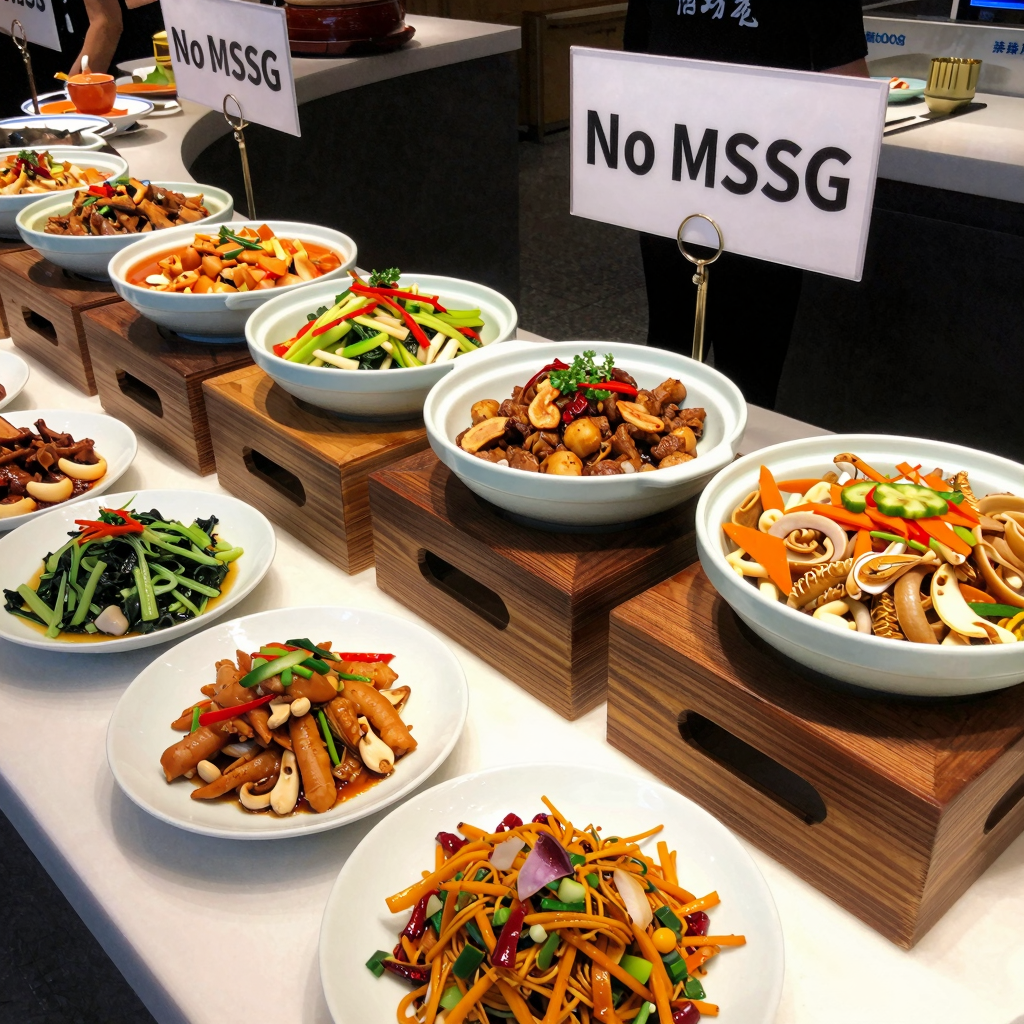
When you step into a bustling Chinese buffet, the vibrant colors of various dishes tantalize your taste buds, but a question often lingers in the background: “Do they use MSG in their food?” Monosodium glutamate, commonly known as MSG, has been surrounded by controversy for years, leading many to believe it’s the secret flavor enhancer behind the irresistible taste of those all-you-can-eat meals. For business owners, understanding this perception is crucial; it can significantly impact customer preferences and loyalty. While some diners avoid MSG due to health myths, others relish its umami flavor, making it a double-edged sword in the culinary business. In this article, we’ll explore the truth about MSG in Chinese buffets and its implications for restaurant success, helping owners navigate this complex landscape successfully.
Common Misconceptions About MSG in Food
Understanding monosodium glutamate (MSG) can help dispel myths that hinder informed choices for customers at your buffet. Here are five common misconceptions:
- MSG Causes Allergic Reactions: Many consumers believe MSG triggers allergy-like symptoms, but research shows there’s no substantial evidence supporting this. According to the World Health Organization, MSG is safe when consumed in moderation.
- MSG is a Toxic Substance: Despite fears, MSG is considered safe and is classified as ‘Generally Recognized as Safe’ by the FDA.
- Only Chinese Food Contains MSG: MSG is prevalent in many cuisines and is used as a flavor enhancer globally.
- MSG Leads to Severe Health Issues: Studies indicate that MSG does not contribute to serious health problems. The perceived side effects are often overstated.
- Natural Ingredients Have No MSG: Many natural foods, like tomatoes and cheese, naturally contain glutamate, similar to MSG.
Dispelling these misconceptions can help provide a better dining experience in establishments like China Buffet Argyle and others while enhancing customer trust.
MSG Usage in Chinese Buffets: An Overview for Business Owners
Monosodium Glutamate (MSG) has been a hot topic of discussion in the restaurant industry, particularly concerning its use in Chinese buffets. Recent data reveals that MSG is still widespread in many dining establishments, especially in those serving Asian cuisine. Here’s a summary of key findings regarding MSG usage in restaurants, notably Chinese buffets:
Prevalence of MSG in Restaurants
- A 2023 systematic review of MSG usage showed that it remains very common in Chinese restaurants, including buffets. According to the research, many chefs actively use MSG to enhance the umami flavor of dishes. Notably, some establishments market themselves as “MSG-free,” highlighting the product’s prevalence in the industry (Nutrients).
- A separate safefood survey revealed that over 70% of Chinese restaurants in Ireland reported using MSG in their cooking (safefood). This high percentage reflects the reliance on MSG to maintain consistent flavor profiles in dishes.
Health Perspectives
- Despite ongoing health concerns about MSG, modern studies imply that MSG is generally safe when consumed in typical amounts. The BBC reports that many Asian restaurants utilize MSG without adverse effects on health when consumed in moderation (BBC Future).
- Furthermore, research conducted in China found that the average daily intake of MSG among its population was about 8.63 grams, significantly higher than the estimated 1.0-3.0 grams per person that experts recommend (Academic Research).
Graphical Representation of MSG Usage

This pie chart showcases the distribution of MSG usage in restaurants, with 80% indicating the use of MSG and 20% reporting no usage. It highlights the strong preference for MSG in enhancing flavor within Chinese buffets.
In conclusion, the substantial use of MSG in Chinese buffets suggests that business owners may want to consider restaurant standards and customer preferences when making menu decisions. Emphasizing ingredient transparency and providing options like “MSG-free” dishes could cater to consumers increasingly wary of MSG in their meals.
| Chain Name | MSG Usage Transparency | Consumer Options | Notable Policies/Statements |
|---|---|---|---|
| Chow Time | Limited transparency. User discussions suggest potential MSG usage. | No clear MSG-free options mentioned. | General advice to avoid if MSG allergic. See user discussions for anecdotal policies. Reddit Discussion |
| Haidilao | High; they now label all MSG-containing dishes on menus. | Has MSG-free menu options available. | Public commitment to ingredient transparency. Allergy filter on app for identifying MSG-free dishes. Haidilao Policy Update |
| Lianhua | High; transparent labeling on menus for MSG. | Offers MSG-free menus upon request. | Aligns with wider consumer demand for transparency. China Daily Report |
| Wumei | Transparent policies regarding MSG usage labeled on dishes. | MSG-free alternatives are available. | Compliance with national guidelines on food additives. Ministry of Commerce Guidelines |
| Xiaocaiyuan | Emerging transparency with operational upgrades. | Limited info on MSG-free options. | Leveraging AI for transparency and accountability; emphasizes food safety and ingredient tracking. China Chain Store Report |
“MSG is not the enemy. It’s a tool, just like salt or sugar. When used properly, it enhances the natural flavors of food.”
- David Chang, renowned chef, from BBC Food
Understanding MSG in Chinese Buffets
Many China buffets often use MSG (Monosodium Glutamate) to enhance the flavors of their dishes. While some diners express concern about its use, culinary experts like David Chang advocate for MSG’s ability to improve the taste when used appropriately. As business owners, understanding this practice could be beneficial in addressing customer inquiries and enhancing menu offerings.
The History of MSG in the Culinary World
Monosodium glutamate (MSG) has a rich history deeply intertwined with Asian cuisine and the broader culinary landscape. It was first extracted by Japanese chemist Kikunae Ikeda in 1908 from kombu seaweed, during his quest to identify the source of the unique savory taste known as umami. This discovery not only revolutionized taste perception but also marked the beginning of MSG’s journey in the culinary world.
The Early Adoption of MSG
Following its isolation, MSG quickly gained popularity in Japan, where it became a staple in many traditional culinary practices. By the early 20th century, MSG was being commercially produced and used extensively in soups, sauces, and stir-fries, enhancing the flavors of these dishes. It wasn’t long before MSG’s popularity spread across East and Southeast Asia, becoming synonymous with authentic Asian cuisine. Restaurants and home cooks alike began to leverage MSG for its ability to deepen flavor profiles and deliver robust umami, which was previously only achievable by using long cooking methods or expensive ingredients.
MSG and Global Expansion
By the mid-1900s, the incorporation of MSG extended beyond Asia. Its umami-enhancing qualities captured the attention of culinary innovators and chefs around the world, leading to its inclusion in a variety of global dishes. MSG stood out not only for its effectiveness in enhancing flavor but also for its cost-effectiveness relative to traditional flavoring methods.
Despite its benefits, MSG’s reputation took a hit in the West during the late 1960s. The term ‘Chinese Restaurant Syndrome’ was popularized in a 1969 letter published in the New England Journal of Medicine, linking MSG to various adverse health effects, including headaches and nausea. This sparked significant media attention and public concern about MSG’s safety, leading to its declining use in many Western kitchens.
Scientific Support and Contemporary Perception
However, subsequent scientific investigations have debunked many of the health claims associated with MSG. Organizations such as the FDA and the European Food Safety Authority (EFSA) have conducted extensive research, confirming that MSG is safe for consumption. Modern studies have demonstrated that most people consume glutamate naturally through their diet without adverse effects, often without realizing it.
Today, MSG enjoys a resurgence in popularity, primarily due to a growing understanding of its culinary advantages and the science behind its safety. It’s increasingly found in gourmet settings and respected by chefs who appreciate its ability to magnify the flavors of dishes without introducing unwanted taste elements.
MSG’s Role in Asian Buffets
In the context of buffet-style dining, especially in Chinese buffets, MSG can frequently be found as a flavor enhancer in various dishes. It not only enhances the savory aspects of food but also allows for the creation of rich, flavorful dishes that appeal to a wide range of tastes. Many buffet establishments strive to deliver authentic flavors while maintaining heat and freshness, making MSG a valuable ingredient in their kitchens.
As buffet owners consider their offerings, understanding the culinary history of MSG helps clarify its role as a legitimate and beneficial ingredient within Asian cuisine. For those interested in exploring such offerings, establishments like China Buffet in Orange Park and Chinese Buffet in Argyle emphasize the culinary traditions that make foods both enjoyable and memorable.
Infobox: MSG Safety Studies
- General Consensus: Studies show that monosodium glutamate (MSG) is considered safe for consumption across all life stages, according to multiple authoritative assessments.
- Human Studies Findings:
- No Negative Effects: Research published in the Journal of the American College of Nutrition indicates no adverse effects on the nervous system or hormonal levels from normal dietary intake of MSG. Read more about this study here.
- Animal Studies vs. Human Implications:
- While some animal studies suggest potential toxicity at high doses, these findings do not directly apply to humans. A PubMed Central report emphasizes that under typical consumption levels, no health risks have been associated with MSG. Discover more on PubMed.
- Monitoring by Regulatory Bodies: Regulatory organizations closely monitor food additives like MSG and consistently find them within safe consumption guidelines. Numerous assessments support MSG’s safety at typical dietary levels, underscoring its acceptability in food products.
This ongoing research helps reassure business owners in the food industry, including those running Chinese buffets that utilize MSG for flavor enhancement.
Consumer Perception of MSG: Insights for Buffet Owners
Monosodium glutamate (MSG) has been a polarizing ingredient in the food industry, especially in the context of Chinese buffet restaurants. Consumer perceptions of MSG significantly influence purchasing decisions and can impact the operations of buffet owners. Recent research indicates that a staggering 73.09% of consumers believe MSG is harmful, despite scientific consensus that it is safe for consumption. This widespread belief, often attributed to health myths like the so-called “Chinese Restaurant Syndrome,” poses challenges for restaurant owners who wish to use MSG as a flavor enhancer without deterring potential customers.
Many consumers equate MSG with unhealthiness, which is reinforced by pervasive myths and the influence of marketing narratives that lament its use. As a result, buffet owners face a dilemma: while MSG can enhance flavor and meet culinary expectations, the negative consumer perceptions can lead to reluctance in patronage. As noted by a recent study, 45% of consumers report a preference for products labeled “No Added MSG,” indicating that transparency and clear labeling can directly influence purchasing decisions.
The Impact of Labeling and Consumer Awareness
Buffet owners should consider these consumer insights when making food preparation decisions. The trend towards healthier eating and natural ingredients makes it imperative for restaurant owners to navigate the perceptions surrounding MSG. Consumers are increasingly inclined towards products that do not contain MSG, viewing these as healthier and more natural options. Furthermore, research shows that 35% of consumers are unaware of the fact that MSG is considered safe by health authorities, highlighting a critical gap in consumer education.
To address these perceptions effectively, buffet owners can employ strategies such as:
- Clear Communication: Provide information about MSG and its safety on menus or signage to alleviate consumer concerns.
- Alternatives: Consider using alternatives or working with MSG substitutes that enhance flavor without compromising consumer trust.
- Market Research: Conduct surveys or polls to understand local consumer attitudes towards MSG, which can help tailor culinary offerings to meet customer preferences.
Ultimately, the key to a successful buffet operation lies in balancing flavor enhancement techniques with consumer perceptions. As the data indicates, failing to address consumer concerns about MSG can deter visits, impacting overall business performance. Buffets that choose to effectively communicate their ingredient choices and implement educational strategies will likely see a positive change in consumer reception and satisfaction.
Visual Representation

According to consumer insights, restaurant owners should consider these trends and perceptions related to MSG to ensure customer satisfaction and loyalty. For instance, the China Buffet at Argyle could implement transparency in its MSG usage to cater to consumer preferences and bolster business success.
Conclusion: The Significance of MSG Transparency in Chinese Buffets
In the competitive landscape of Chinese buffets, the controversy surrounding monosodium glutamate (MSG) usage necessitates a critical examination of restaurant practices. Recent insights reveal a complex tapestry of customer perceptions, especially in light of MSG’s deep-rooted ties to Chinese cuisine. A 2023 study indicates that while MSG is commonly used in many Chinese buffets, it often invokes mixed feelings among diners-ranging from acceptance of its umami flavor-enhancing properties to concerns about potential health implications. Restaurant owners need to address these perceptions proactively to foster trust with customers.
To navigate these challenges effectively, restaurant owners should prioritize transparency in their ingredient sourcing practices. Sharing detailed information about the use of MSG, including when and why it’s included, can enhance customer confidence. According to recent findings from industry experts, maintaining a consistent quality of food, emphasizing hygiene and safety, and using technology for ingredient traceability are paramount in earning customer trust.
For restaurant owners aiming to build a loyal customer base, embracing best practices is essential. Open communication about food safety, being responsive to customer feedback, and engaging consumers in sustainability efforts can significantly strengthen the emotional connection with customers.
Ultimately, success for Chinese buffets hinges not just on delicious offerings, but also on establishing a solid foundation of trust and transparency in every dish served. For a practical example of effective practices, consider how China Buffet in Argyle integrates transparency into their operations. By ensuring consumers feel valued and well-informed, owners can navigate the complexities of MSG usage while enhancing their restaurant’s reputation and loyalty among diners.
Ready to Enhance Your Food Safety and Customer Experience?
At Zoomlion, we understand that food safety is the keystone of any successful restaurant. With regulations evolving and customer expectations rising, ensuring your establishment meets industry standards is essential. If you’re looking for support in fortifying your food safety practices and enhancing customer experiences, don’t hesitate to reach out! Our dedicated team is here to guide you through the process, offering tailored solutions that fit your business needs.
Contact us today through our website or download the MyZOOMLION app to get started! Your restaurant’s reputation depends on it.